
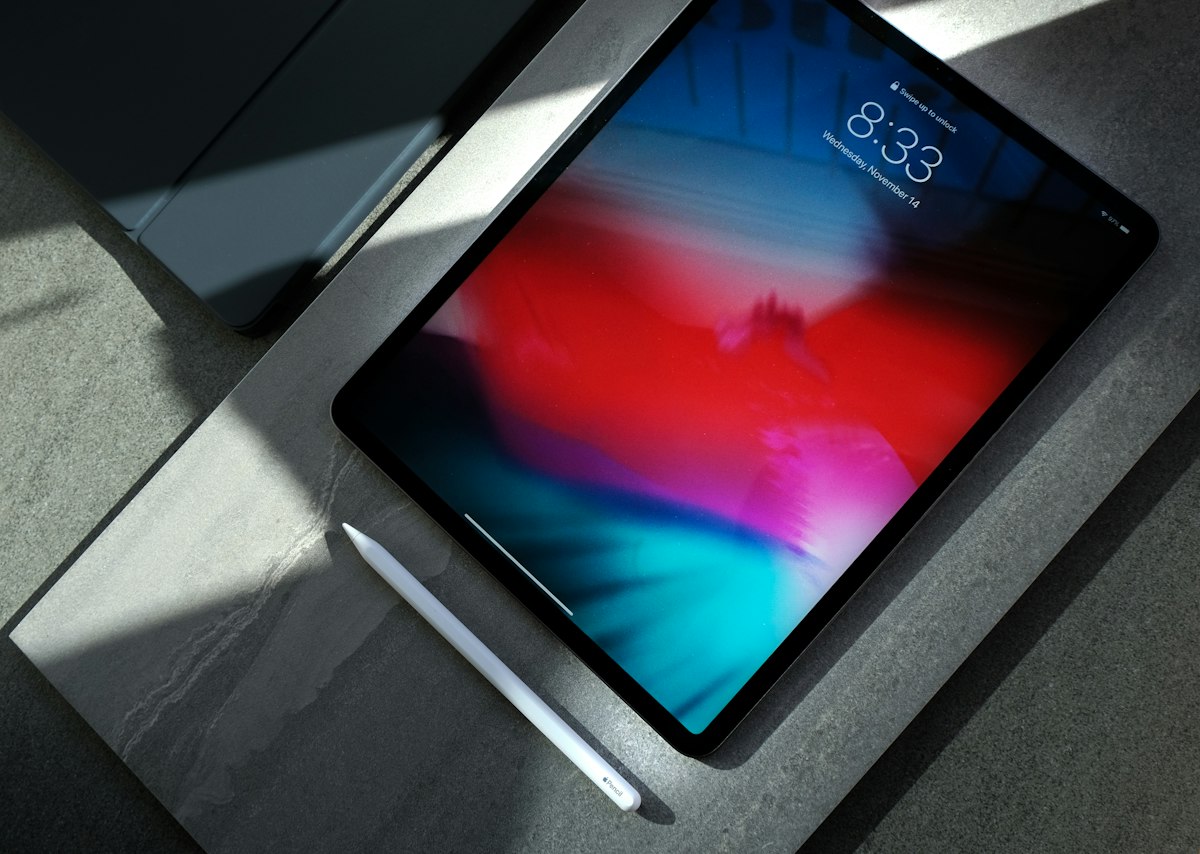
At just 5.1mm thick, the 13-inch iPad Pro M4 is the thinnest device Apple has ever manufactured—thinner even than the legendary iPod nano. Yet beneath this razor-thin slab of recycled aluminum lies desktop-grade M4 silicon and what is undeniably the finest display technology ever engineered: Tandem OLED.
Tandem OLED Explained: Why Two Layers Beat One
Single-layer OLED panels face a fundamental physical trade-off: driving them to high brightness accelerates organic subpixel degradation (burn-in). Apple solved this by stacking two OLED panels in tandem, combining their light output.
- 1,000 nits full-screen sustained brightness across both SDR and HDR content.
- 1,600 nits peak HDR brightness for specular highlights.
- Perfect 2,000,000:1 contrast with zero halo bloom around high-contrast typography.
Testing high-bitrate HDR masters in Final Cut Pro for iPad, blacks are completely inky, colors pop with cinematic vibrancy, and eye strain over long drawing sessions is virtually nonexistent.
The Apple Pencil Pro: Squeeze & Barrel Roll
Digital illustrators and 3D animators gain major workflow upgrades with the Apple Pencil Pro:
- Squeeze Gesture: A custom force sensor in the barrel summons a contextual tool palette at your cursor tip.
- Barrel Roll: A built-in gyroscope enables precise orientation control over shaped brush and calligraphy strokes.
- Haptic Engine: Delivers satisfying sensory feedback confirming tool selection.
The iPadOS Conundrum
The hardware is capable of running full desktop code compilers, 3D modeling pipelines, and multi-monitor DAW audio suites. Yet iPadOS 18 still confines workflows within app sandboxes and Stage Manager windowing. For artists, video editors, and mobile professionals, it is the dream digital canvas. For software developers requiring terminal access and background Docker daemon processes, a MacBook Pro remains mandatory.
The BoldTechy Verdict
If you evaluate the iPad Pro M4 as a mobile digital canvas and multimedia workstation, it is the absolute pinnacle of human hardware design.
Apple iPad Pro 13-inch (M4)
The iPad Pro M4 is an engineering marvel. The Ultra Retina XDR Tandem OLED display is the finest screen ever mounted on a mobile computer, though iPadOS still restrains its desktop silicon power.
PROS
- ✓ Tandem OLED architecture delivers 1,000 nits sustained full-screen SDR/HDR brightness
- ✓ Incredibly thin 5.1mm profile makes the 13-inch slate feel weightless in hand
- ✓ M4 silicon delivers blistering CPU and ray-tracing performance
- ✓ Apple Pencil Pro adds haptic squeeze controls, barrel roll, and Find My integration
- ✓ Redesigned aluminum Magic Keyboard with function keys feels like a MacBook
CONS
- ✕ iPadOS window management still lacks the flexibility of macOS
- ✕ Ultra-high cost when bundled with Magic Keyboard and Pencil Pro
- ✕ Single Thunderbolt/USB-C port limits peripheral connectivity without hubs
Review Breakdown
Technical Specifications
| Display | 13.0-inch Ultra Retina XDR Tandem OLED (2752 x 2064), 120Hz ProMotion |
| Processor | Apple M4 (9-Core or 10-Core CPU, 10-Core GPU, 16-Core NPU) |
| Thickness | 5.1 mm (Apple’s thinnest product ever produced) |
| Weight | 579 grams |
| Cameras | 12MP Wide (f/1.8, 4K60 video) + LiDAR Scanner + Landscape Front 12MP |
| Audio | Four-speaker audio system with studio-quality microphones |
| Battery | 38.99Wh battery with up to 10 hours web/video |

Tanisha Panwar
Related Gadget Reviews
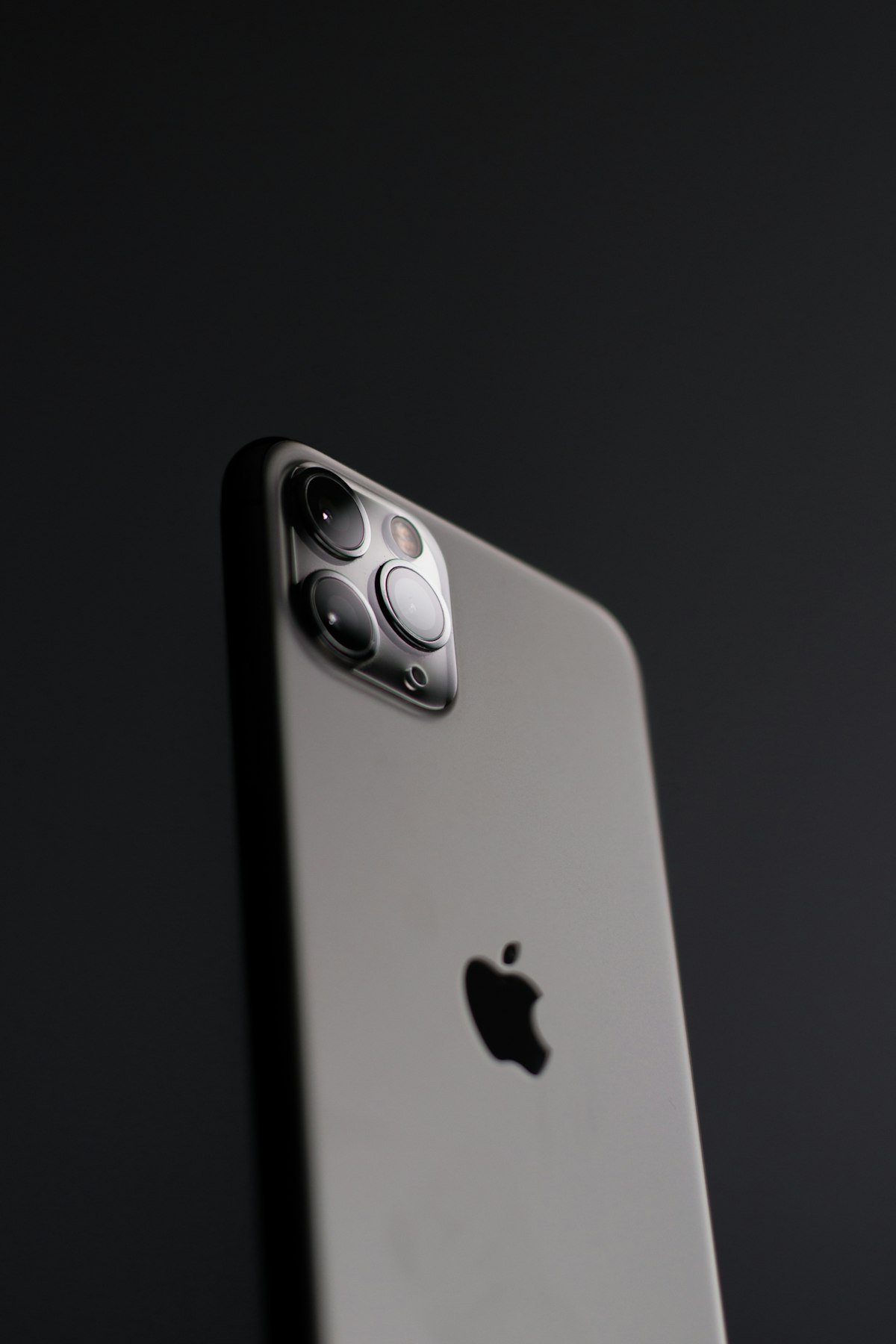
Apple iPhone 16 Pro Review: Titanium Refinement, A18 Pro & Camera Control
Hands-on with the capacitive sapphire Camera Control button, 4K 120fps Dolby Vision video, and second-generation 3nm A18 Pro silicon.
Tanisha Panwar 
Google Pixel 9 Pro Fold Review: Thinner, Brighter, and Truly Practical
A ground-up redesign brings a 10.5mm folded profile, dual 120Hz 2,700-nit Actua displays, and Google Tensor G4 AI efficiency.
Tanisha Panwar